
Physiotherapy · Exeter
Physiotherapy in Exeter that gets to the cause
Not just hands-on relief for the symptom, but a proper diagnosis, a clear plan, and treatment that gets you back to your sport, your work and your life.
or call 07823 405427
Who It's For
Physio for sports injuries, and everything else
About half the people I see are in pain from sport and training: runners, CrossFitters, footballers, gym-goers. The other half are dealing with the ordinary kind of pain that creeps into life: a back that's "gone" again, a shoulder that won't let you sleep, a knee that's making the stairs a negotiation.
Both get the same treatment, because it's the same job: find out what's actually causing the problem, fix it properly, and make sure it stays fixed.
If you're not sure whether your problem is "worth seeing someone about", that usually means it's been bothering you for a while. That's exactly the right time to come in.
What Happens
What happens at your first physiotherapy appointment
We talk, and I actually listen
Your history, your pain, what it's stopping you doing, and what "better" looks like for you. The story usually holds most of the clues.
A thorough physical assessment
Movement, strength, and hands-on testing to find the real source of the problem, which is often not where the pain is.
A diagnosis in plain English
What's going on, why it happened, and how long it should take to put right. No jargon, no mystery.
Treatment starts the same day
Hands-on treatment in that first session, plus the start of a rehab plan built around your life, your schedule and your sport.
The Approach
Hands-on treatment plus rehab that sticks
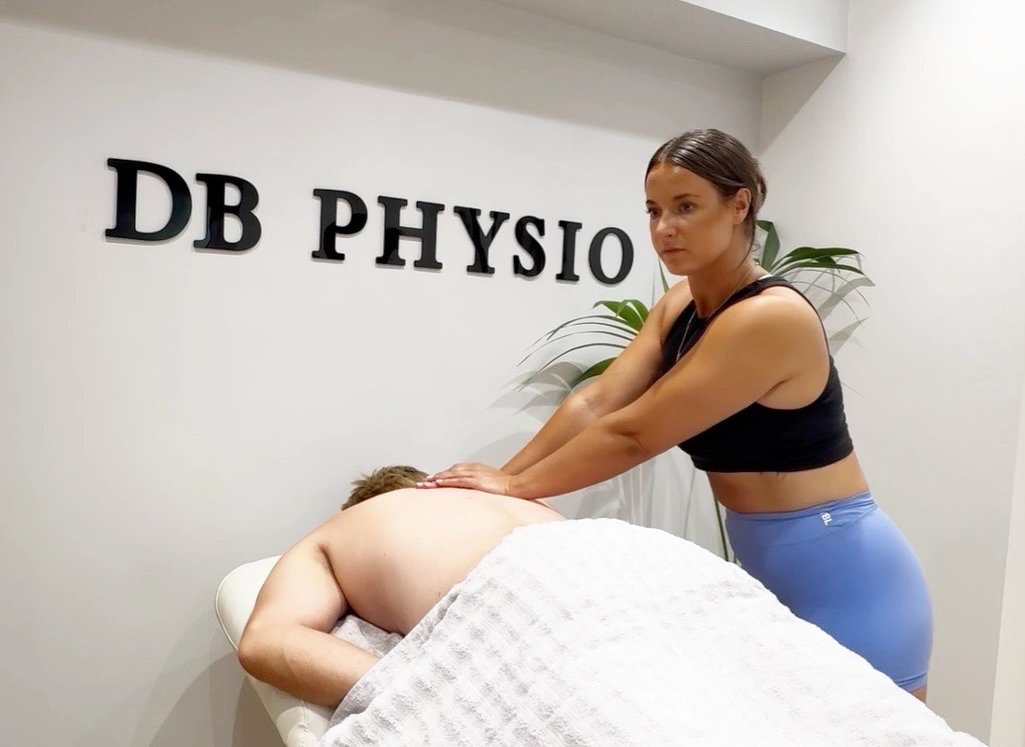
Physiotherapy works best when two things happen together. Hands-on treatment (manual therapy, massage, mobilisation) settles pain and gets things moving. Rehabilitation (targeted, progressive exercise) fixes the reason it happened and stops it coming back.
Plenty of people have had one without the other: a massage that felt great for three days, or a printed sheet of exercises that never changed anything. You'll get both, reviewed and progressed at every session, because that combination is what the evidence supports and what I use with professional footballers every week.
Between appointments you'll have a carefully structured exercise plan to follow, kept realistic for your week. It's there to accelerate your progress, and it works: the patients who do their rehab recover noticeably faster, and need fewer sessions.
People are often surprised by how in-depth that first appointment is. You won't just talk: you'll move. I'll take you through specific movements and tests, checking strength, mobility and how your body is actually working, until we've built a full picture of what's going on. And because treatment starts in that same session, plenty of people walk out already feeling like a different person.
What I Treat
Conditions I see every week
"She quickly identified the cause of my injury, and after just one session I noticed a significant improvement and was in much less pain."
Vicki D."Really impressed with the speed of diagnosis and relieved my neck pain in the first session."
Mark B.A Note From Me
If your injury is stealing something from you, whether that's a sport or just a decent night's sleep, don't give it more time than it's already taken. Book an assessment, and you'll leave with answers and your first treatment done.
Danni
Chartered Physiotherapist, MSc
Book my assessmentTakes under a minute · no GP referral needed
FAQ
Physiotherapy questions people ask
What happens at a first physio appointment?
A conversation about your history and goals, a full physical assessment, a plain-English diagnosis, and your first treatment, all within the 45 minutes. You'll leave knowing what's wrong and what the plan is.
How long does physiotherapy take to work?
Many people feel a difference after the first session, but lasting change depends on the problem. I'll give you an honest timescale at your assessment, and if I don't think physio is what you need, I'll say so.
Will I be given exercises to do between appointments?
Yes. Treatment in the clinic settles things down, but the structured rehab plan you follow between sessions is where the lasting progress happens. I keep it realistic for your week and progress it as you improve. It's honestly the best deal in physio: do your exercises and you'll recover faster, feel the difference at every session, and need fewer appointments overall.
Is physiotherapy painful?
Some techniques can be briefly uncomfortable, but treatment shouldn't be something you dread. We work within what you can tolerate, and you're in control throughout.
Should I see a physio or get a scan first?
Most problems don't need a scan to be diagnosed and treated: a thorough physical assessment finds the cause in the majority of cases. If your assessment suggests you do need imaging or a specialist, I'll tell you straight away and point you in the right direction.